
Translation & interpreting · Guide
Translation changes language; localization adapts a product or document for a particular locale, including formats, conventions and sometimes design. A fictional event page shows how to audit both layers before launch.
3 min read↗

Translation & interpreting · Guide
Machine translation generates a target-language version automatically; human translation uses a person’s judgment to interpret context, purpose and audience. A fictional public notice shows how to review output before people rely on it.
3 min read↗

Languages of the world · Guide
Mandarin and Cantonese are distinct spoken languages or varieties within the broader Chinese language landscape, with differences in pronunciation, vocabulary and usage. Shared writing practices do not make spoken conversation automatically interchangeable.
3 min read↗

Speech & sound · Guide
A minimal pair is two words that differ in one sound in the same position and have different meanings. Use clear examples to practise listening, test a contrast, and avoid mistaking spelling differences for sound differences.
4 min read↗

Languages of the world · Guide
Modern Standard Arabic is a formal shared standard used widely in writing and prepared public speech, while Arabic dialects are regional varieties used heavily in everyday conversation. Most learners should choose based on the situations they want to handle.
3 min read↗
Inside language · Guide
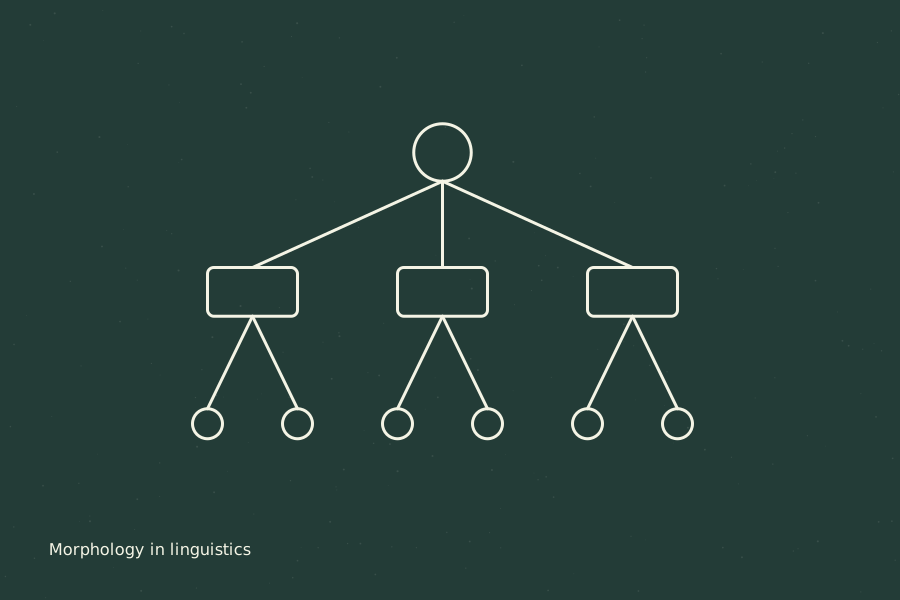
Morphology studies how words are built from meaningful or grammatical pieces. Learn to identify roots and affixes, distinguish word-building from grammatical endings, and test a word’s structure with a simple analysis.
3 min read↗

Languages of the world · Guide
In Statista Research Department’s 2026 tabulation of Ethnologue, the four largest total-speaker estimates are English, Mandarin Chinese, Hindi, and Spanish. The order and numbers depend on counting total speakers rather than first-language speakers.
3 min read↗

Multilingual lives · Guide
First language usually refers to a language acquired early in life, while mother tongue can refer to a person’s home, community or identity language. The terms overlap, but neither has one universally accepted definition.
4 min read↗

Multilingual lives · Guide
Practical activities let students use the languages they know to investigate meaning, explain ideas and learn from one another. A sample “many ways to describe a place” lesson shows how to include spoken, written and signed languages without treating them as interchangeable.
3 min read↗

Languages of the world · Guide
Hindi in Devanagari script is the official language of the Union, and English continues in specified Union official uses under law. States may adopt one or more languages for their own official purposes; scheduled-language recognition is a separate category.
3 min read↗

Languages of the world · Guide
The United Nations has six official languages: Arabic, Chinese, English, French, Russian, and Spanish. They support interpretation in meetings and translation of documents, though particular language arrangements can vary by setting.
2 min read↗

Multilingual lives · Guide
One parent one language is a family strategy in which each caregiver usually speaks a different language with a child. It can make language patterns predictable, but it is a flexible routine rather than a requirement for successful bilingual communication.
4 min read↗

Everyday communication · Guide
Open-ended questions invite a fuller answer than a yes-or-no reply, often by asking how, what, or which. Use them to explore a topic, while keeping the question focused and easy to answer.
3 min read↗
English & grammar · Guide
The Oxford comma is the comma before the final conjunction in a list of three or more items. See how it can clarify grouping, when a house style may omit it, and how to test a sentence for ambiguity.
3 min read↗

Writing & work · Guide
Paraphrasing restates a specific passage at similar detail; summarizing condenses a larger section to its main ideas. This guide shows how to choose between them and practice both accurately.
3 min read↗

English & grammar · Guide
The past perfect marks an event as earlier than another past reference point. Form it with had plus a past participle, and use it when the order of past events needs to be clear.
3 min read↗

Inside language · Guide
A phoneme is a contrastive sound category in a language; allophones are its context-dependent phonetic realizations. Compare meaning contrasts, distribution, and phonetic similarity before deciding whether sounds belong to one category or two.
3 min read↗
Inside language · Guide
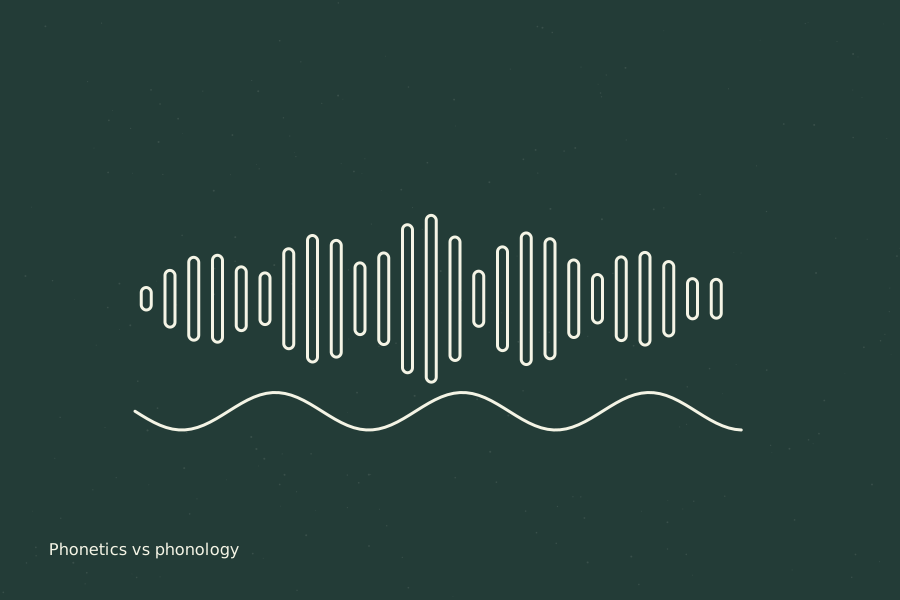
Phonetics studies the physical production, perception, and properties of linguistic signals; phonology studies how a language organizes sound patterns into categories and rules.
3 min read↗