Multilingual lives · Guide
Sign languages are complete natural languages because they have organized vocabularies and grammars that let people create and understand new messages. Their visual form changes how language is expressed, not whether it is language.
3 min read↗
Translation & interpreting · Guide
Word-for-word translation often fails because languages organize meaning, grammar, and context differently. A better method identifies the message first, then rebuilds it in natural target-language wording while protecting key details.
3 min read↗
Inside language · Guide
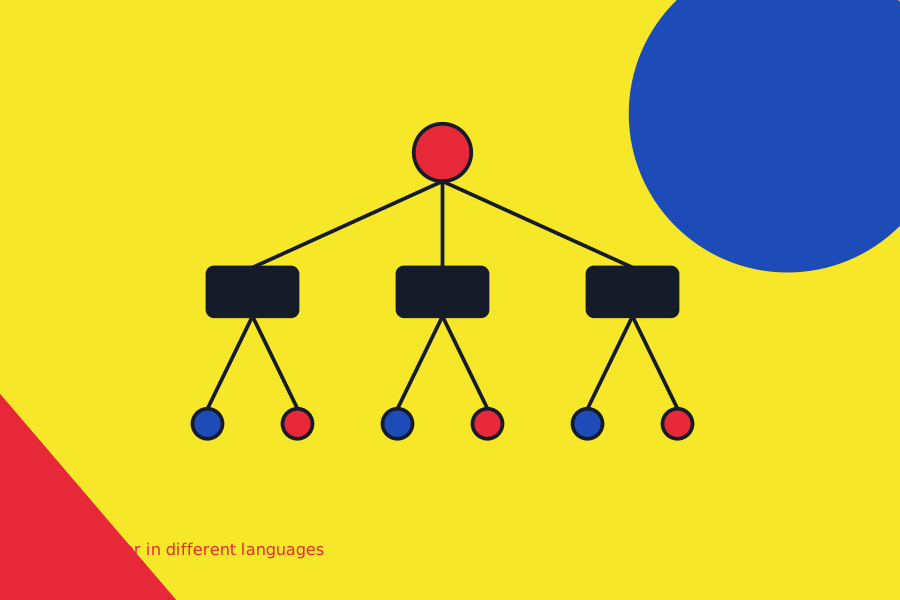
Word order is the arrangement of sentence parts, especially subject, object, and verb. Languages use different basic patterns, and clues such as endings, context, and emphasis help show who did what.
3 min read↗
Speech & sound · Guide
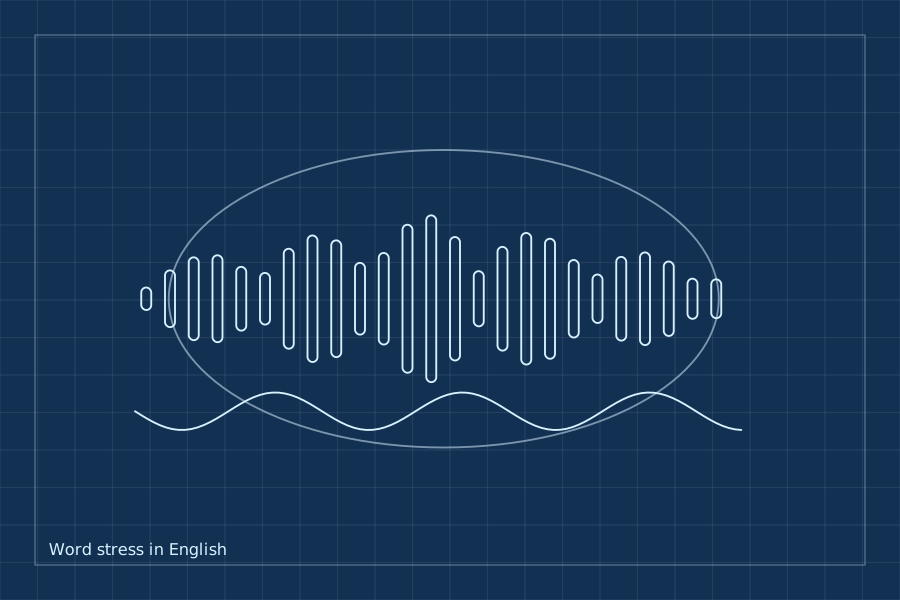
Word stress is the relative prominence of a syllable within a word. Learn how to hear it, mark it, and practise a multisyllabic example while allowing for variation across English accents and word families.
4 min read↗

Languages of the world · Guide
A writing system represents language visually, but scripts and languages are not the same thing. Understanding what a symbol represents—sound, syllable, or another unit—makes unfamiliar writing easier to analyze.
3 min read↗

English & grammar · Guide
Your is the possessive form connected to you; you’re contracts you are. Expand you’re to check it, then use your when the sentence means something belongs or relates to you.
3 min read↗