Poetry & spoken word · Guide
Slam poetry is spoken word performed in a judged competition; spoken word is the broader practice of composing poetry for the voice and an audience. The difference lies in the event format, not a separate poetic species.
3 min read↗
Words & meaning · Guide
Slang is informal vocabulary associated with social use and group identity; jargon is specialized language used within a field or activity. A term can serve both roles, so its audience and purpose matter more than the word alone.
3 min read↗

Languages of the world · Guide
Slavic languages are a branch of the Indo-European family that includes languages such as Polish, Russian, and other East, West, and South Slavic languages. Shared descent gives context, not a universal grammar or a proficiency shortcut.
3 min read↗
Everyday communication · Guide
Useful small talk questions are easy to answer, connected to the shared situation, and open enough to invite a detail. Listen for what the other person chooses to share, then follow that thread instead of running through a list.
4 min read↗
Learning languages · Guide
Spaced repetition means revisiting language after intervals instead of cramming it in one sitting. Use it to schedule attempts to recall useful phrases, then check the answer and adjust the next review according to what you could retrieve.
3 min read↗

Languages of the world · Guide
Spanish and Catalan are separate Romance languages, each with its own vocabulary, pronunciation and grammar. Catalan is not a Spanish dialect, though contact and shared regional settings can mean that people use both.
3 min read↗

Languages of the world · Guide
Spanish and Portuguese are distinct but closely related Romance languages. Their shared history makes some written words recognizable, while sound, grammar and everyday vocabulary can still differ enough to cause misunderstandings.
4 min read↗
Speaking & storytelling · Guide
Story structure is the arrangement that helps an audience understand a situation, its change, and its consequence. A practical five-beat outline for a missed-sign example shows how to shape a story without forcing it into a rigid formula.
4 min read↗
English & grammar · Guide
Subject verb agreement means matching a verb’s form to its subject. Find the true subject first, then ignore intervening phrases and check tricky cases such as compound subjects, indefinite pronouns, and there is or are.
4 min read↗
Translation & interpreting · Guide
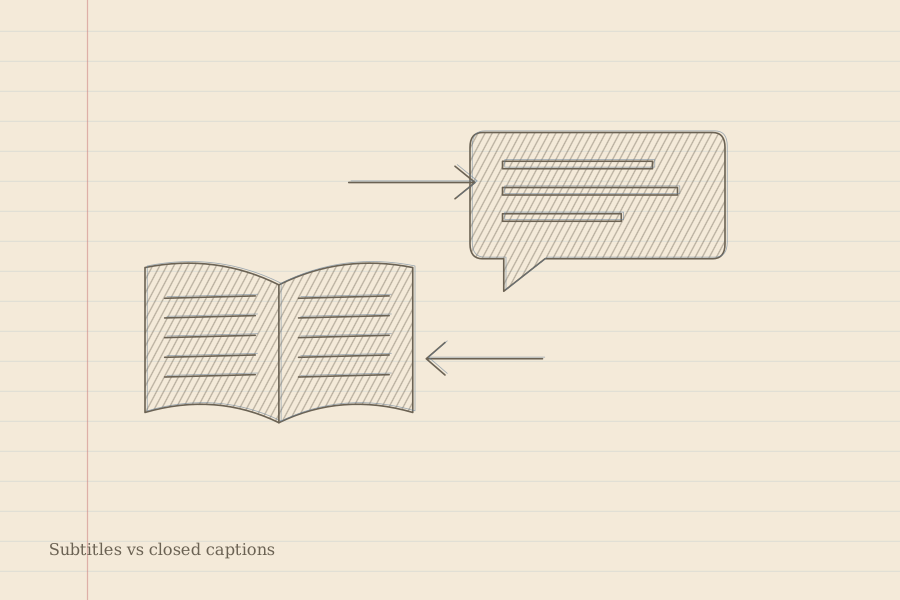
Subtitles and closed captions both display speech as text, but they serve different access needs and are not interchangeable in every context. Learn what each includes and how to choose the right treatment for a sample scene.
3 min read↗
Speech & sound · Guide
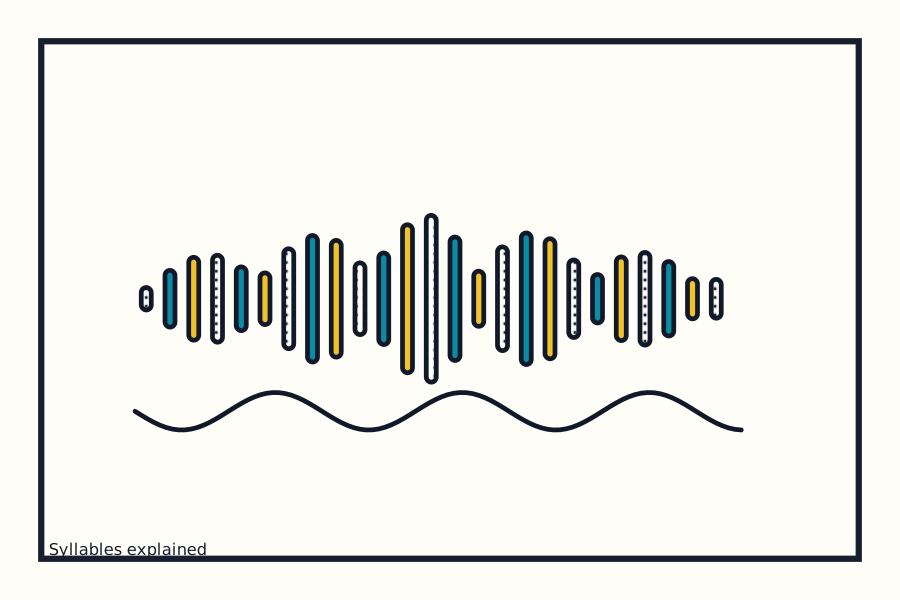
A syllable is a unit of spoken-language structure organized around a prominent nucleus, usually a vowel. Learn how onsets, nuclei, and codas fit together, then use a practical method to examine a word.
3 min read↗

Words & meaning · Guide
Synonyms have similar meanings; antonyms express a contrast. Neither label guarantees that words are interchangeable in every sentence, so compare meaning, tone, context, and the kind of opposition involved before revising.
3 min read↗

Inside language · Guide
Syntax describes how words and phrases are arranged; semantics concerns the meaning of those expressions and how their parts combine. A sentence can be well formed yet surprising or false, so analyze structure and interpretation separately.
3 min read↗
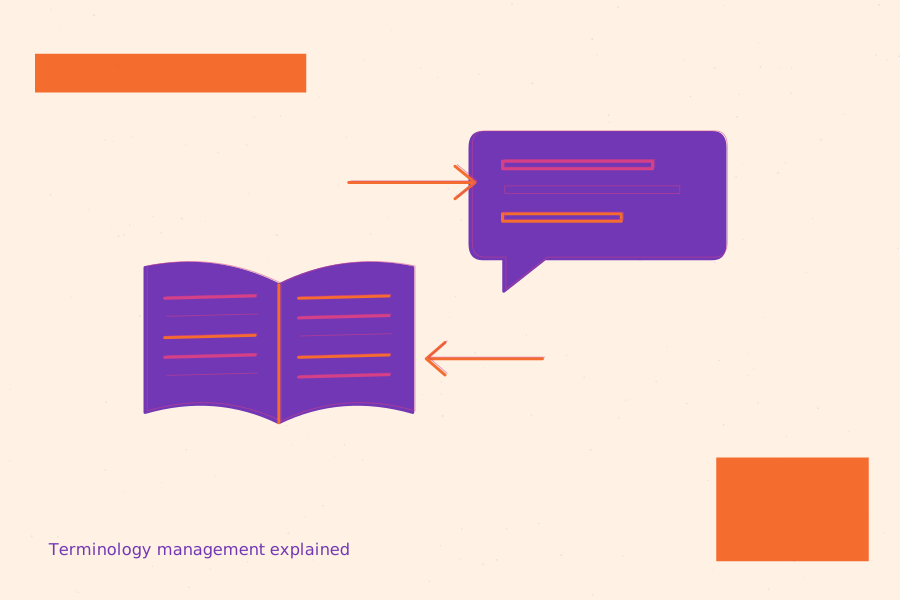
Translation & interpreting · Guide
Terminology management is the practice of deciding, recording and maintaining how important terms should be used across a project. A useful term record explains meaning and context, not just a preferred translation.
3 min read↗
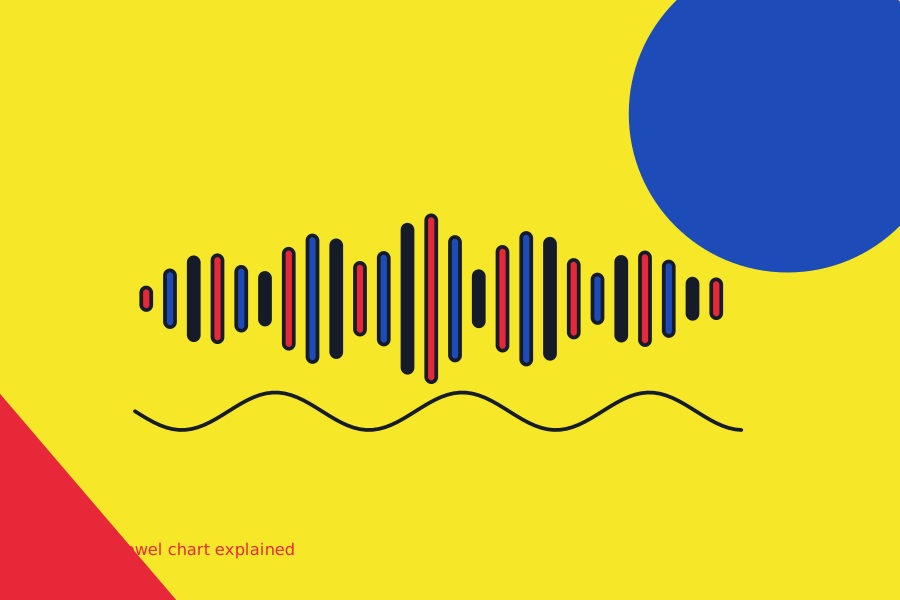
Speech & sound · Guide
The IPA vowel chart maps vowels by tongue height and frontness, with symbols placed to indicate tongue position and lip rounding shown separately. It is a practical guide to vowel contrasts, not a map of every speaker’s mouth.
3 min read↗
English & grammar · Guide
Use than to compare, and then to place events or ideas in sequence. A substitution test catches most slips: try “compared with” for than and “next” or “at that time” for then.
3 min read↗
English & grammar · Guide
There can point to a place or help introduce a sentence, their marks possession, and they’re contracts they are. Sound them out in context: all three may rhyme, but their grammar differs.
3 min read↗

Languages of the world · Guide
In a tonal language, pitch patterns on syllables or words can distinguish lexical or grammatical meaning. Tone differs from ordinary sentence intonation, though real languages may combine pitch functions in ways that resist a simple binary.
3 min read↗