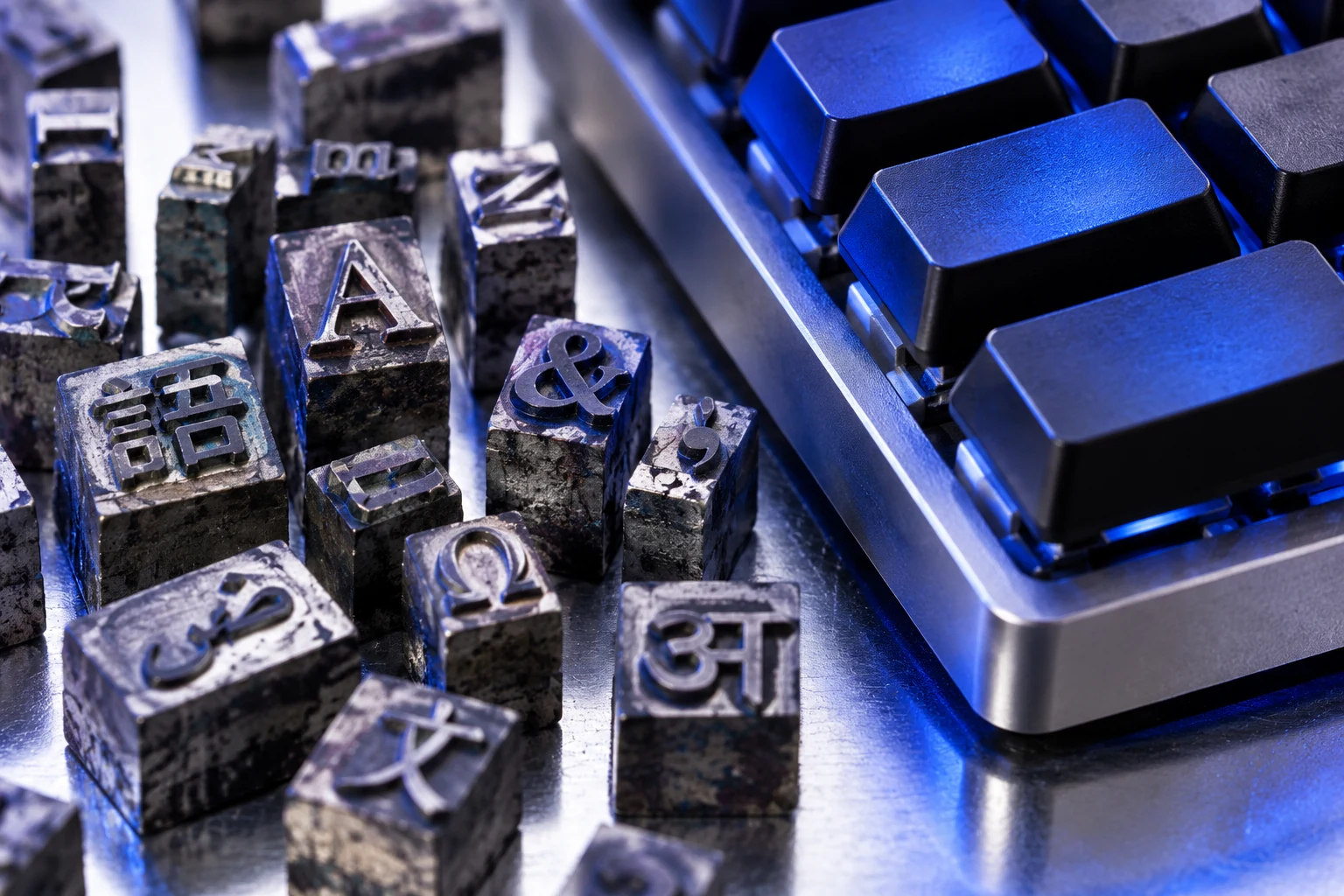
For a language to work online, its writing system needs technical support across several layers. A character must be represented in digital text, a font must display it, software must render it correctly, and people need practical ways to type it. A UNESCO report published on 29 October describes a workshop in Nancy, France, held from 20 to 23 October 2026, where participants explored these issues for Indigenous languages and scripts. [1]
The workshop and its scope
UNESCO says the Unicode Technology Workshop 2026 included tutorials, presentations and discussion under the theme “Unicode in the World.” Topics included character encoding, font development, script representation, text rendering, keyboard design and internationalization. The report describes technical learning and exchange, not a completed fix for every language’s digital needs. It also notes UNESCO’s participation in an opening keynote about multilingualism and linguistic diversity in digital spaces. [1]
One contribution discussed bringing Taíno online, which UNESCO presents as an example of how digital technologies can support Indigenous language revitalization when community knowledge and participation are involved. Technical representation can create possibilities, but people and communities decide which forms of use matter: education, messaging, publishing, cultural work or something else. A supported script is a tool, not a substitute for speakers and community priorities. [1]
Encoding is a shared digital identifier
Character encoding gives text a standardized digital representation so different systems can recognize the same character. If a writing system lacks needed characters in the encoding used by software, people may have to substitute other characters or use workarounds. A keyboard cannot by itself solve that underlying representation problem; it can only make available characters easier to enter.
A hypothetical example: a community newsletter needs a character used in its orthography, but a particular publishing system cannot store it reliably. The newsletter might show a box, a blank or a substitute mark on another device. The first question is whether the character is represented in the text standard the system supports. That is distinct from asking whether the device has a font that can draw it.
Fonts and rendering shape what readers see
A font contains visual designs for characters. A system may recognize a character but lack a font that displays it, leaving a blank square or a fallback design. Rendering is the software’s process of arranging characters on screen or page. For some scripts, correct rendering can depend on how characters combine, change shape or relate to one another; a font alone may not guarantee that software handles those behaviors properly.
In the hypothetical newsletter, a character could be encoded correctly and supported by an installed font, yet still appear incorrectly if the layout software does not render the script as intended. Testing across devices and applications helps identify which layer is failing. Community readers should be part of that review because a technically visible character can still be shaped, spaced or handled in a way that makes the text hard to read.
Keyboards connect the system to daily use
A keyboard layout determines how users enter characters through a physical or on-screen keyboard. Good support may include convenient access to letters and marks people use, sensible combinations and documentation that fits local practice. The workshop report names keyboard design as one of its topics, alongside encoding, fonts and rendering. That list underscores that digital support is a chain: a missing link can make a technically supported script frustrating to use. [1]
For a hypothetical test, ask several community members to type a short message they would actually send, then read it on different devices and in a document or webpage. Record whether they can enter every needed character, whether the message displays as intended and whether readers find it clear. This exercise is not a reported workshop outcome; it is a way an organization might check a proposed tool against real use.
A survey is still ahead
UNESCO’s report says the workshop also highlighted the Global Survey on Indigenous Languages, which examines challenges, priorities and opportunities. Its key findings are planned for an overview report in 2027. That report has not yet been published, so the workshop account should not be treated as its findings. [1]
The practical implication is to keep technical planning connected to language communities. Ask what people want to write, where they want to publish or communicate, and who should review a system before it is considered ready. Encoding, fonts, rendering and keyboards each matter; their value appears when community members can use them in the settings they choose.
References & further reading
This reading covers developments in 29 Oct 2026. Event and announcement dates appear in the story. Our editorial approach.