English & grammar · Guide
Semicolon vs colon
A semicolon links closely related independent clauses; a colon points forward from a complete clause to an explanation, example, or list. Use clause structure and the intended relationship to choose.
Find an answer, follow a curiosity, or begin something new. Practical guides and current stories across twelve subjects.
A semicolon links closely related independent clauses; a colon points forward from a complete clause to an explanation, example, or list. Use clause structure and the intended relationship to choose.
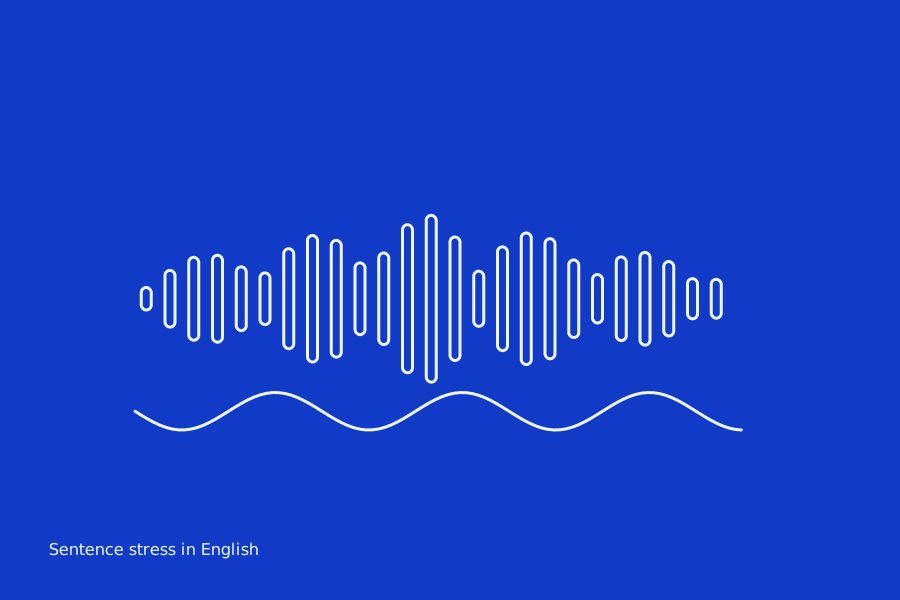
Sentence stress is the shifting prominence of words in a spoken phrase. It helps listeners track new, contrasting, or corrected information; the same sentence can sound different when its focus changes.
Shadowing is a pronunciation practice in which you speak along with a short recording, following its timing and sound. Learn how to choose a clip, repeat it deliberately, and check what changed.
A simile compares unlike things using a cue such as like or as; a metaphor describes one thing as another. Both create connections, but they frame the comparison differently.
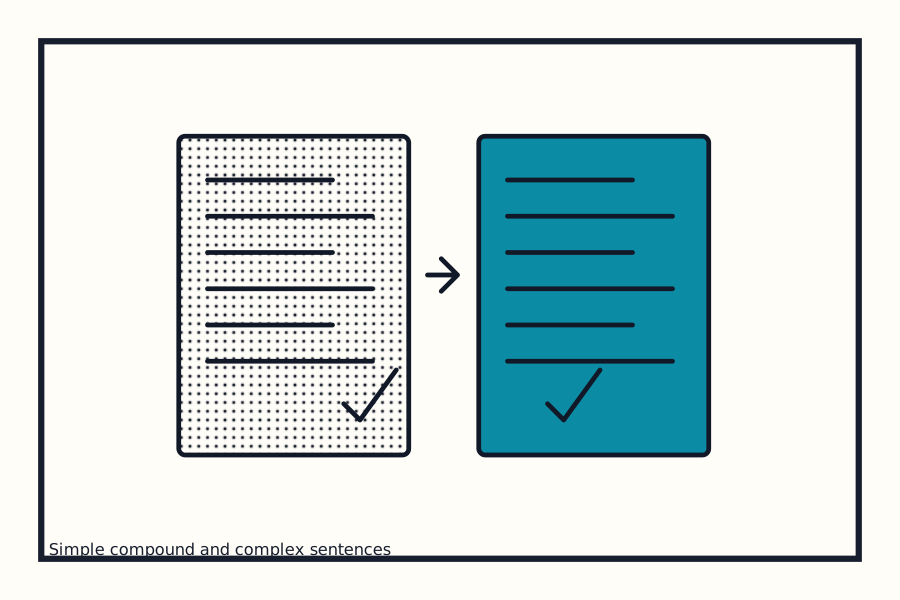
Simple, compound, and complex describe how clauses are arranged. Learn to identify independent and dependent clauses, see how the patterns shape emphasis, and revise a short passage with a practical clause-counting exercise.
Simplified and traditional Chinese refer to different character forms used in written Chinese. The choice depends on audience and publishing convention; it does not by itself identify a spoken language or a person’s ability.
Slam poetry is spoken word performed in a judged competition; spoken word is the broader practice of composing poetry for the voice and an audience. The difference lies in the event format, not a separate poetic species.
Slang is informal vocabulary associated with social use and group identity; jargon is specialized language used within a field or activity. A term can serve both roles, so its audience and purpose matter more than the word alone.
Slavic languages are a branch of the Indo-European family that includes languages such as Polish, Russian, and other East, West, and South Slavic languages. Shared descent gives context, not a universal grammar or a proficiency shortcut.
Useful small talk questions are easy to answer, connected to the shared situation, and open enough to invite a detail. Listen for what the other person chooses to share, then follow that thread instead of running through a list.
Spaced repetition means revisiting language after intervals instead of cramming it in one sitting. Use it to schedule attempts to recall useful phrases, then check the answer and adjust the next review according to what you could retrieve.
Spanish and Catalan are separate Romance languages, each with its own vocabulary, pronunciation and grammar. Catalan is not a Spanish dialect, though contact and shared regional settings can mean that people use both.
Spanish and Portuguese are distinct but closely related Romance languages. Their shared history makes some written words recognizable, while sound, grammar and everyday vocabulary can still differ enough to cause misunderstandings.
Story structure is the arrangement that helps an audience understand a situation, its change, and its consequence. A practical five-beat outline for a missed-sign example shows how to shape a story without forcing it into a rigid formula.
Subject verb agreement means matching a verb’s form to its subject. Find the true subject first, then ignore intervening phrases and check tricky cases such as compound subjects, indefinite pronouns, and there is or are.
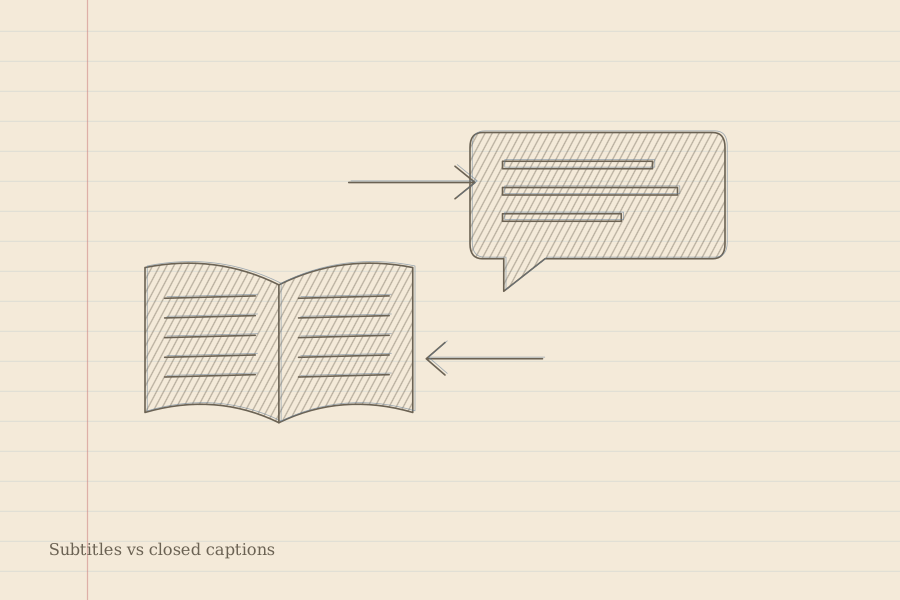
Subtitles and closed captions both display speech as text, but they serve different access needs and are not interchangeable in every context. Learn what each includes and how to choose the right treatment for a sample scene.
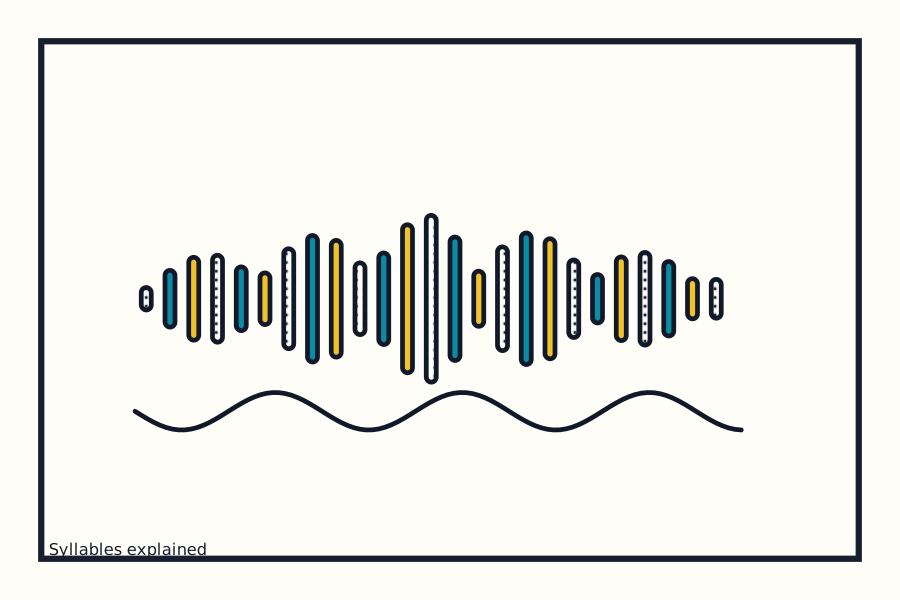
A syllable is a unit of spoken-language structure organized around a prominent nucleus, usually a vowel. Learn how onsets, nuclei, and codas fit together, then use a practical method to examine a word.
Synonyms have similar meanings; antonyms express a contrast. Neither label guarantees that words are interchangeable in every sentence, so compare meaning, tone, context, and the kind of opposition involved before revising.