A constructed language, often called a conlang, is a language deliberately created rather than emerging through ordinary community transmission over generations. Its creator may design sounds, word-building patterns, sentence structure, and vocabulary for a particular purpose. Some constructed languages are developed for fiction or art; others explore how languages can work or support communication.
A language is more than a word list
To create a usable language, a designer needs choices about how words combine and how speakers express meaning. A word list alone cannot tell you how to form questions, mark time, describe possession, or build new words. A constructed language may set out sound patterns, morphology, syntax, and conventions for writing, though the level of detail varies.
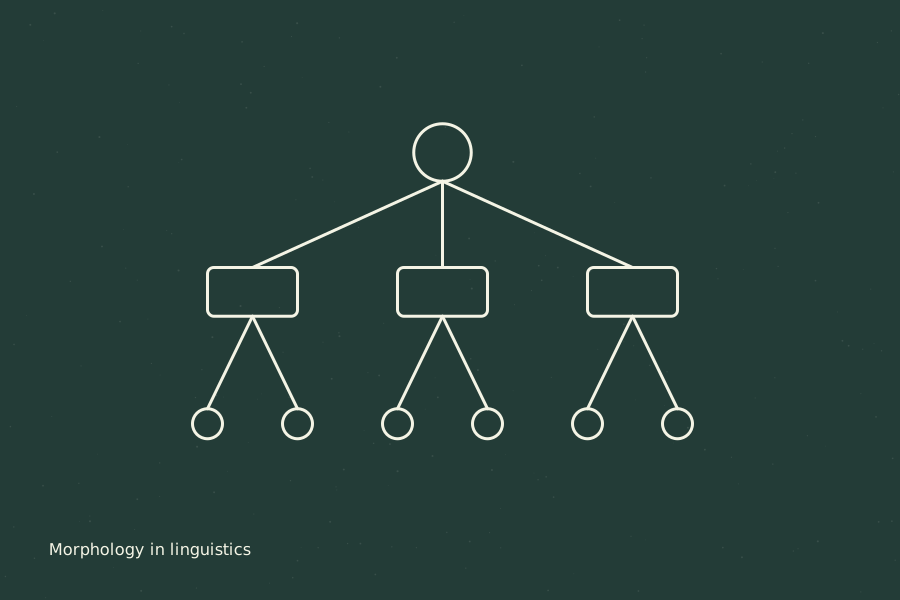
Essentials of Linguistics describes how linguists analyze languages through recurring form–meaning pairings, the ways morphemes combine, and sentence structure. [1] Those same areas offer practical design questions for a conlang: What counts as a root? Can affixes attach to it? How do phrases fit together? The concepts are useful tools; a designed language need not imitate any one natural language.
Choose a purpose before adding complexity
A language made for a novel may need names, greetings, and a few phrases that feel coherent in its fictional setting. A language intended for a community of users needs enough shared conventions for people to communicate and may change as people use it. A language designed as an experiment might prioritize a particular structural question. Purpose helps determine what details deserve attention.
For example, a writer creating a language for a fictional seafaring society might decide that direction words distinguish movement toward shore from movement toward open water. That design choice could shape navigation dialogue and poetry. This is a hypothetical creative example, not a claim about any real culture or language.
A small design exercise
Begin with one short sentence you want the language to express, such as “A lantern glows.” Decide which part is the subject and which part names the action. Then choose whether your invented language usually places subject before verb or verb before subject. Write three more sentences using the same pattern, changing one word at a time.
Next, invent a way to express a related meaning, such as “The lanterns glow” or “The lantern glowed.” You might use a separate word, change the noun, or attach a marker. Write down the choice and test it in another sentence. This produces a small grammar rather than isolated decorations. Keep a notebook of forms and meanings so later choices remain consistent.
Consistency leaves room for change
A constructed language can be highly regular, but it does not have to be. Designers may include irregular forms, variation, or historical layers if those choices serve the project. If other people begin using the language, their preferences can also shape what is accepted. A design can grow beyond its original plan.
When making changes, note whether a new rule replaces an older one or adds another option. If both forms remain available, specify when speakers might choose each. That makes the language easier to learn and gives a fictional or real community of users a basis for shared understanding.
Respect the languages that inspire you
Designers often learn from the world’s languages, but borrowing a sound or structure does not make a conlang a copy or an authentic representation of the people who use a source language. Research the specific feature and context, avoid caricature, and do not claim that an invented system represents a whole culture.
A constructed language is a creative system with its own design history. Its success depends on what it is meant to do: help readers enter a story, give collaborators a shared medium, or let a designer explore a linguistic idea. Starting small, recording decisions, and testing sentences makes that system concrete.